AYO
A product vision for turning match footage into game stories and highlights players can shape and share.
- Role
- Senior Product Designer
- Scope
- Post-match story, recommended moments and highlight clips
- Outcome
- A product direction for connecting match footage, game stories and player-controlled highlights within Ayo
- Status
- Product vision
The challenge
Recording a match does not automatically give a player something worth coming back for. Ayo could receive footage from uploads or Smart Cameras; the next product question was how to turn a full session into personally meaningful moments, not another long video to search.
As Senior Product Designer, I shaped a post-match product vision connecting footage, a readable game story, recommended moments and highlights the player could choose to keep or share.
What made it hard
- The game was fresh before attention returned. Players could still be recovering, talking with teammates or leaving the venue while processing continued. Immediate availability was not the same as readiness to watch.
- A useful moment was wider than a goal. Contributions, build-up play and shared reactions could matter too. The research did not establish a defensible ranking of what every player values.
- Automation needed a boundary. Ayo could narrow choices, but the player should decide what felt relevant. Recognition also had to stay within what the footage could support.
Post-match Behaviour Map
The game is freshest while the phone is furthest away. Hover a phase to read what the player is doing.
What I did
I used capture behaviours, the post-match attention map and a wider landscape of shareable moments to frame the product decisions. The maps were design lenses and working hypotheses, not a claim that every behaviour had been validated.
The direction became three rules: recommend a starting point without closing off the session, bring people back around their attention, and make interpretation proportional to the evidence. A game story could be readable while the full video was still being prepared.
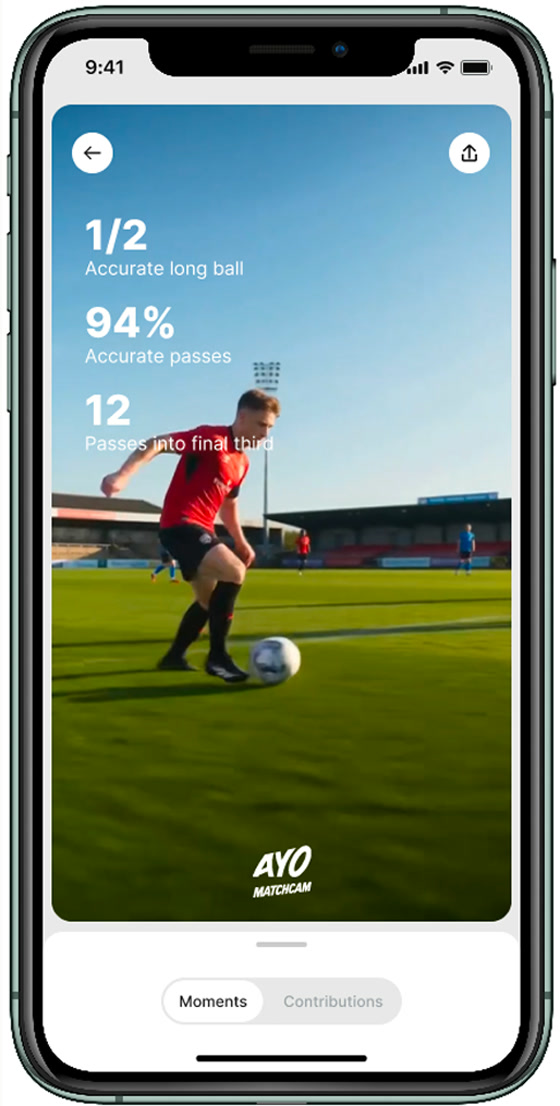 Starts on one moment
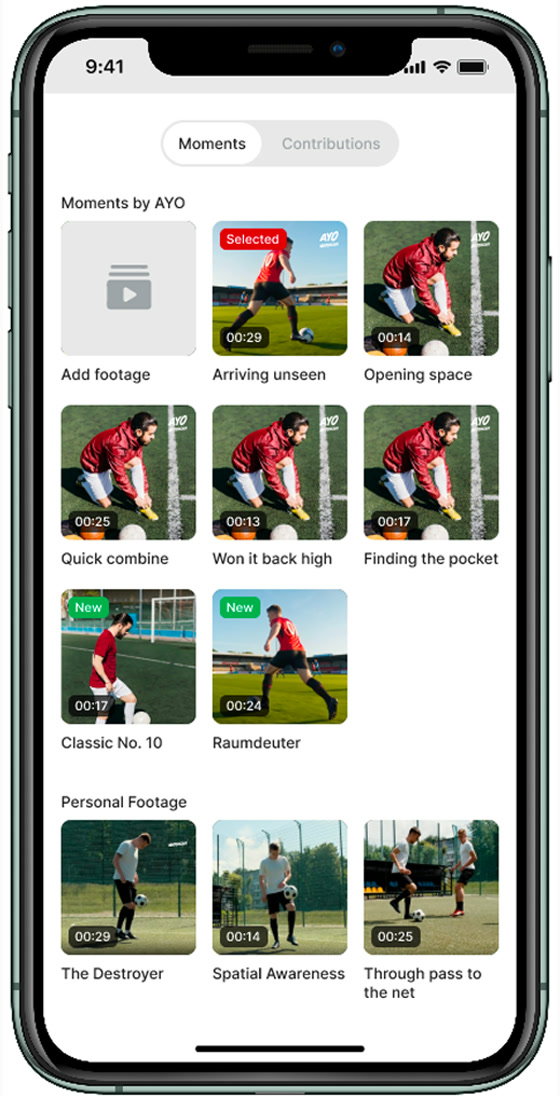 The rest stays reachable
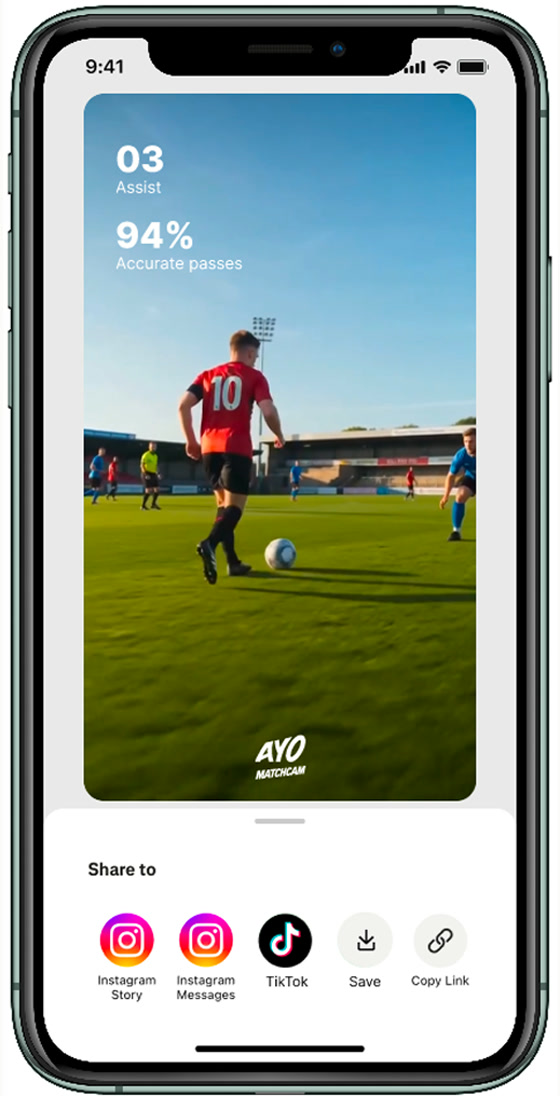 The player decides what leaves
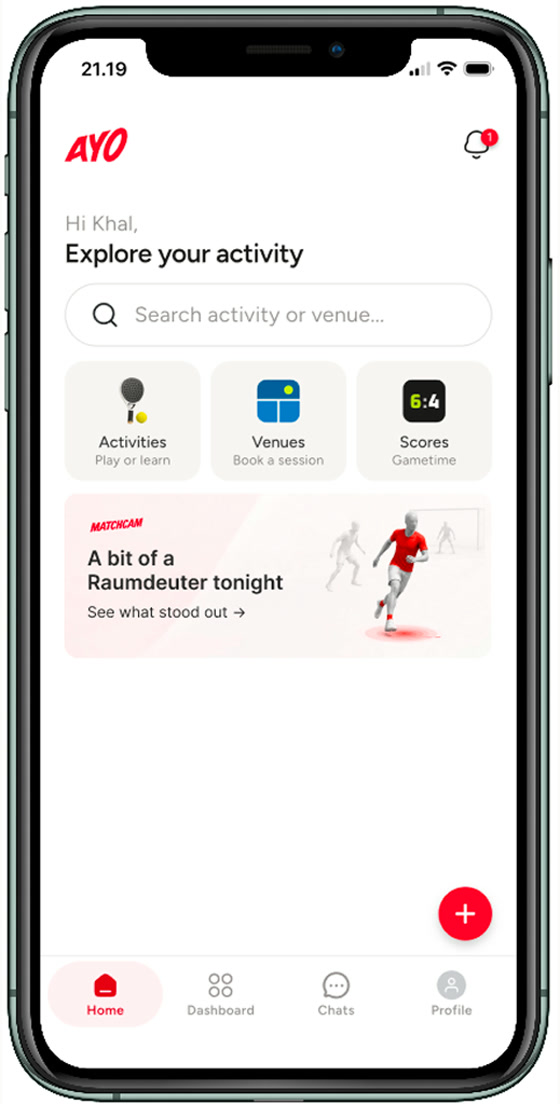 Home carries the result
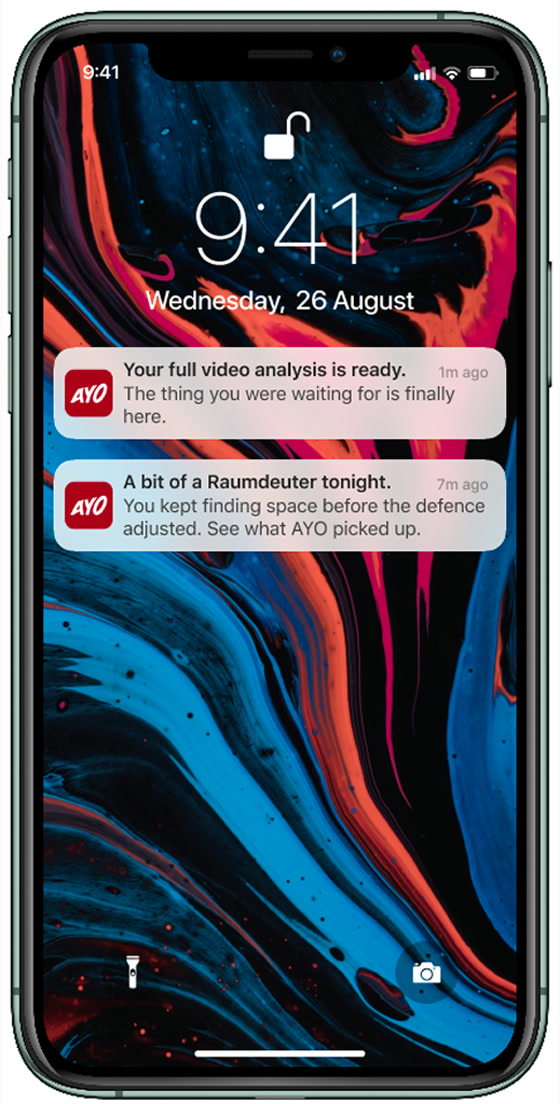 Notifications do the returning
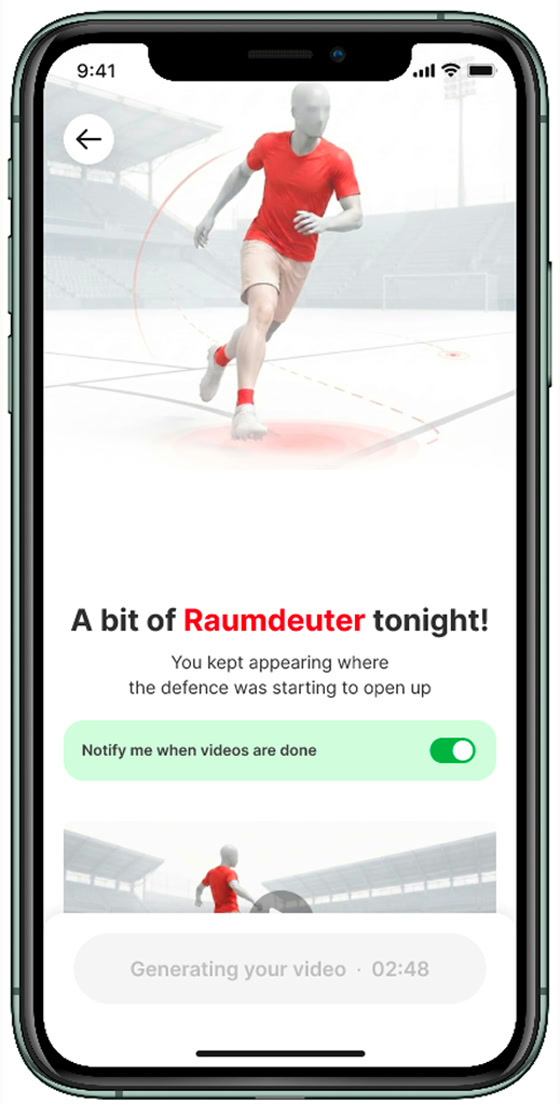 Readable before it is ready
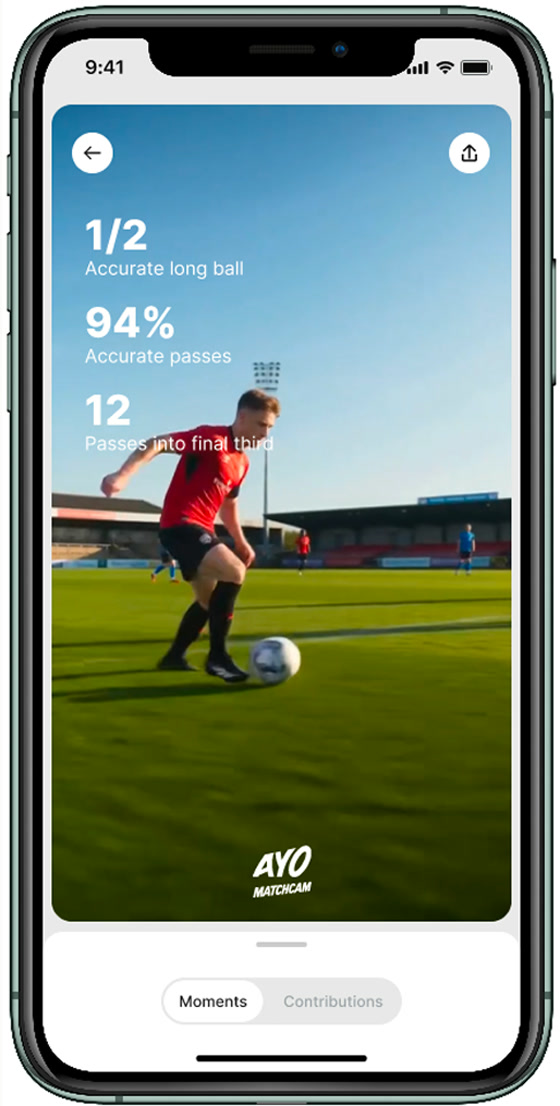 A moment, observed
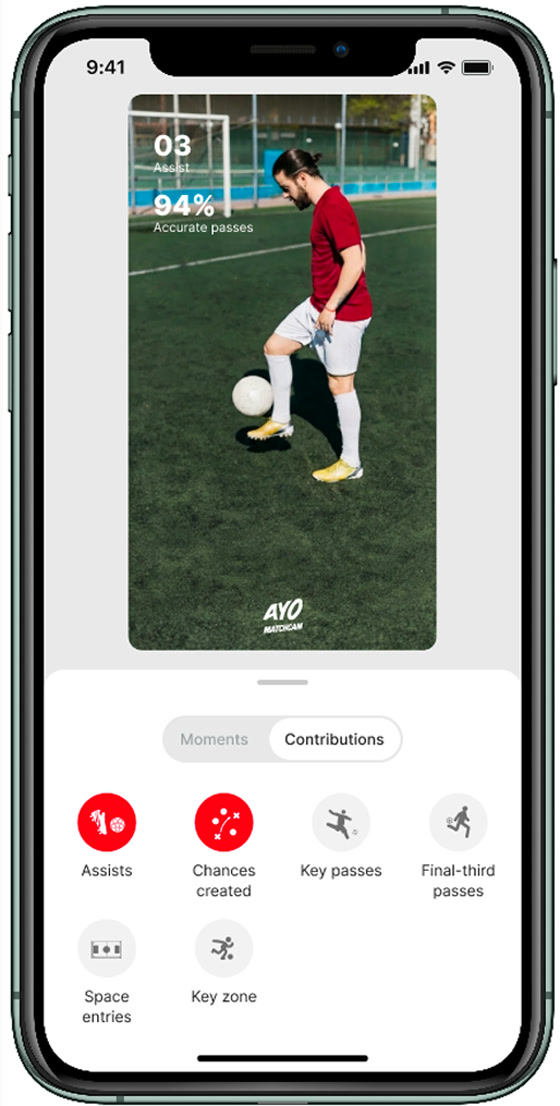 Context, counted
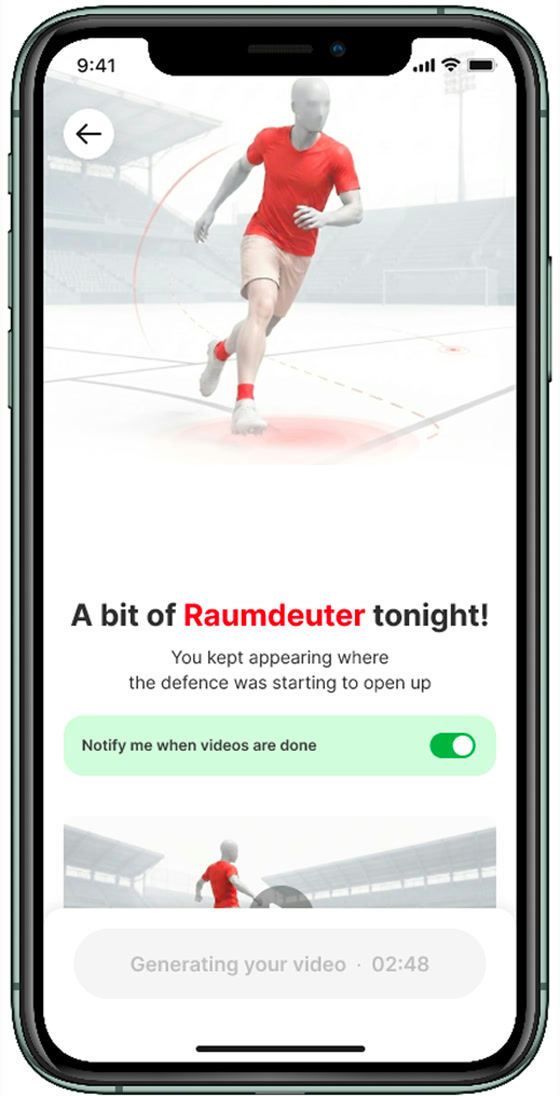 Recognition, earned
I then worked through where the result should live in Ayo. A contextual Home card could surface a recent match; notifications could provide re-entry; MatchCam Hub could support intentional revisiting as sessions accumulated.
A permanent Home shortcut was a future IA hypothesis, not a V1 requirement. Its prominence should follow recurring behaviour rather than assuming a new feature immediately deserved a permanent destination.
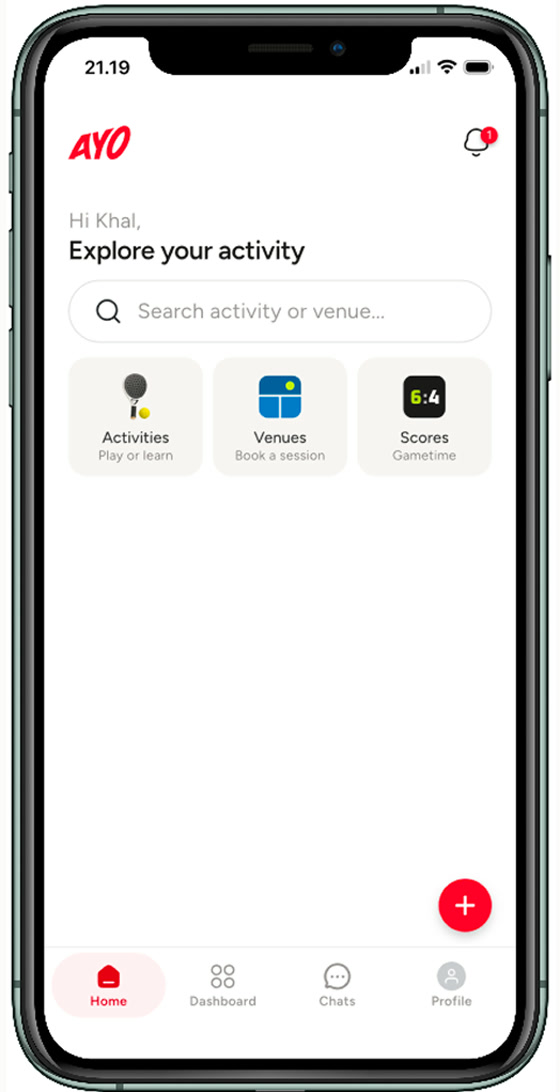 Recent
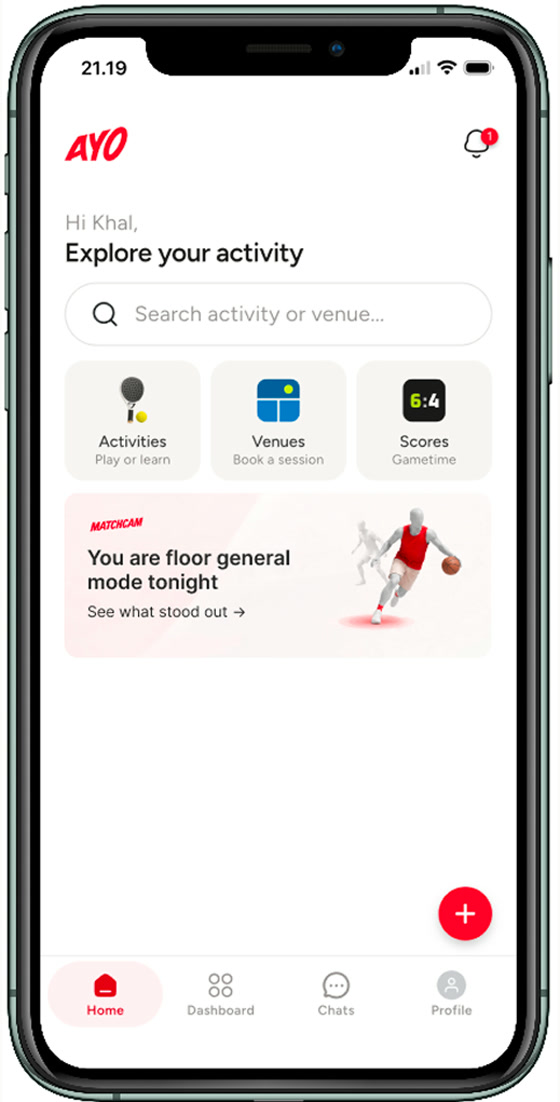 As sessions accumulate
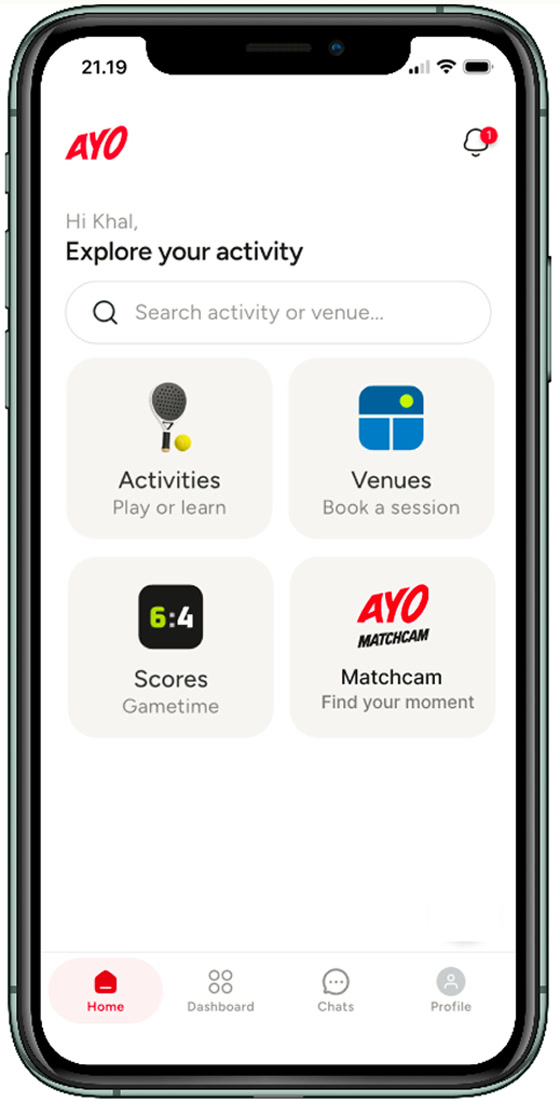 Recurring behaviour validated
What changed
The work established a product direction for connecting match footage, game stories and player-controlled highlights within Ayo. The model stays consistent—find a moment, add useful context, then recognise a broader pattern only when there is enough evidence.
I explored how that structure could extend across Mini Soccer, basketball and tennis without treating their events or language as interchangeable. The proposed stories adapt to movement, possession or rally construction while preserving the same path back into the game.
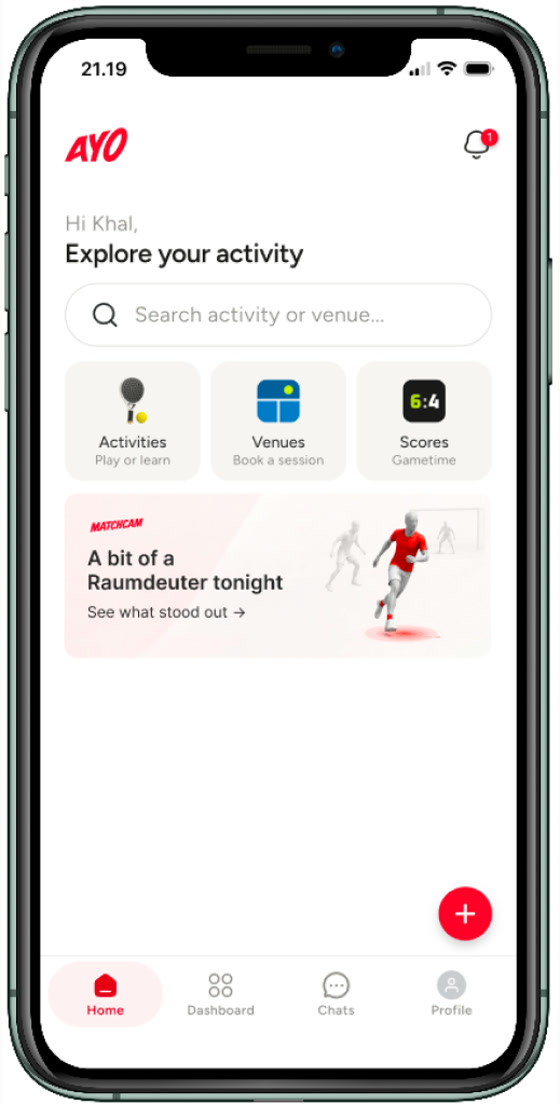 Mini Soccer
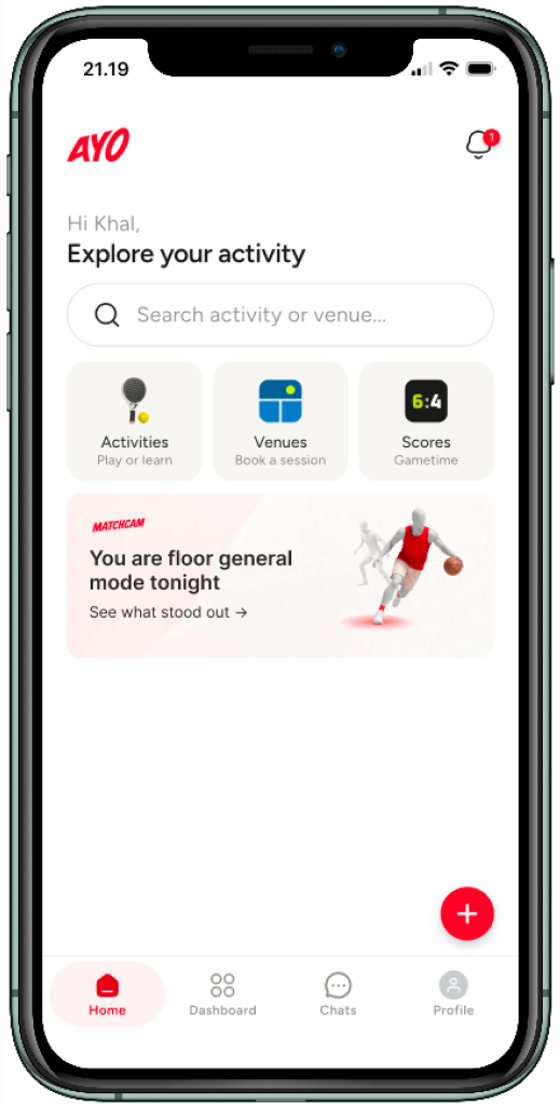 Basketball
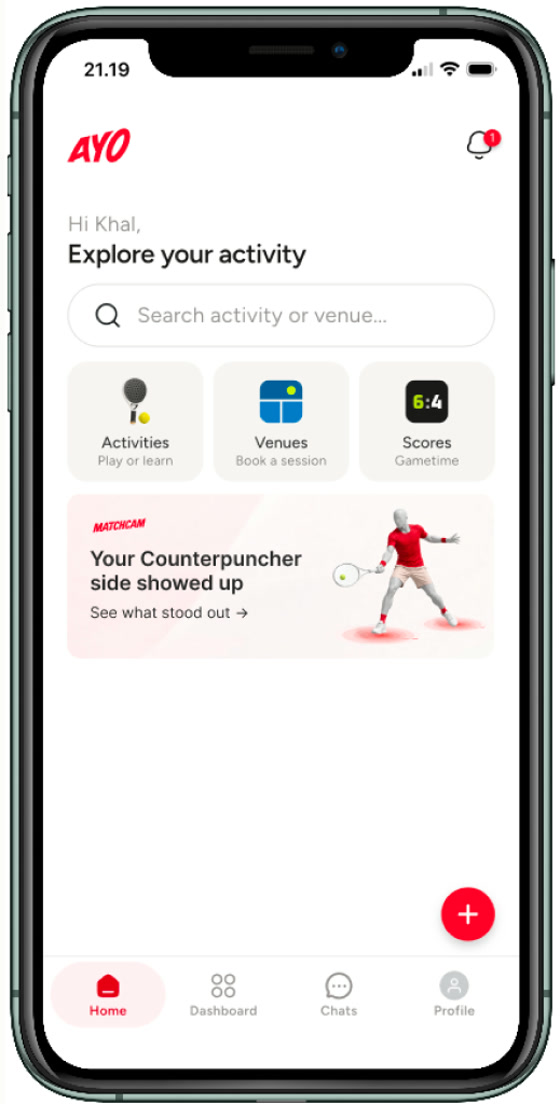 Tennis
This is a product vision, not a launched retention result. Research was stronger for Mini Soccer than for basketball; cross-sport behaviour and the permanent shortcut remain hypotheses to validate.
Context
The experience uses the footage Ayo already expects from either uploaded video or Ayo Smart Cameras, but changes what happens after that footage becomes available: when the player is brought back, what gets surfaced first, and how much the system should decide on their behalf.
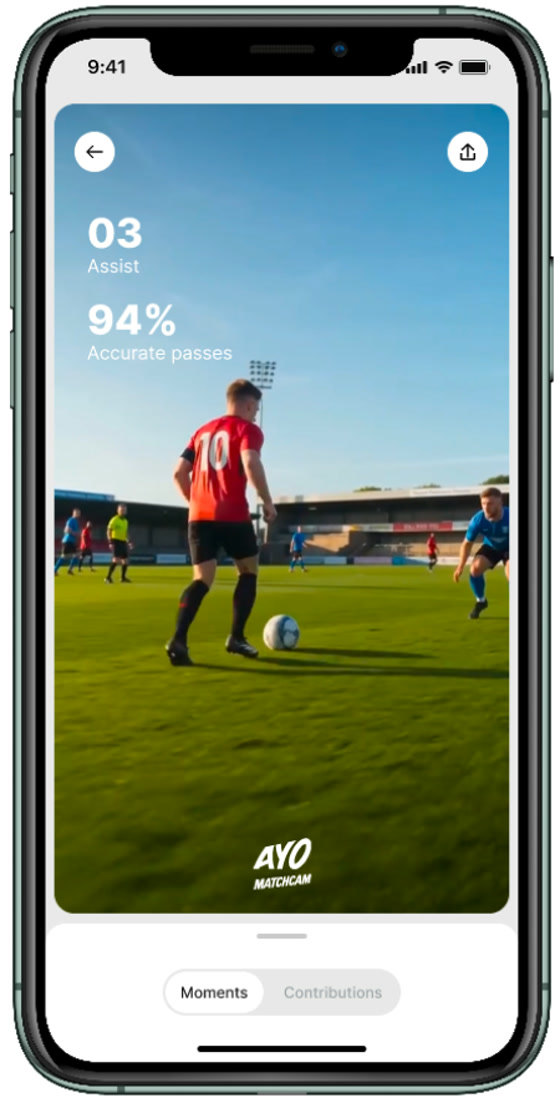 A moment, recommended
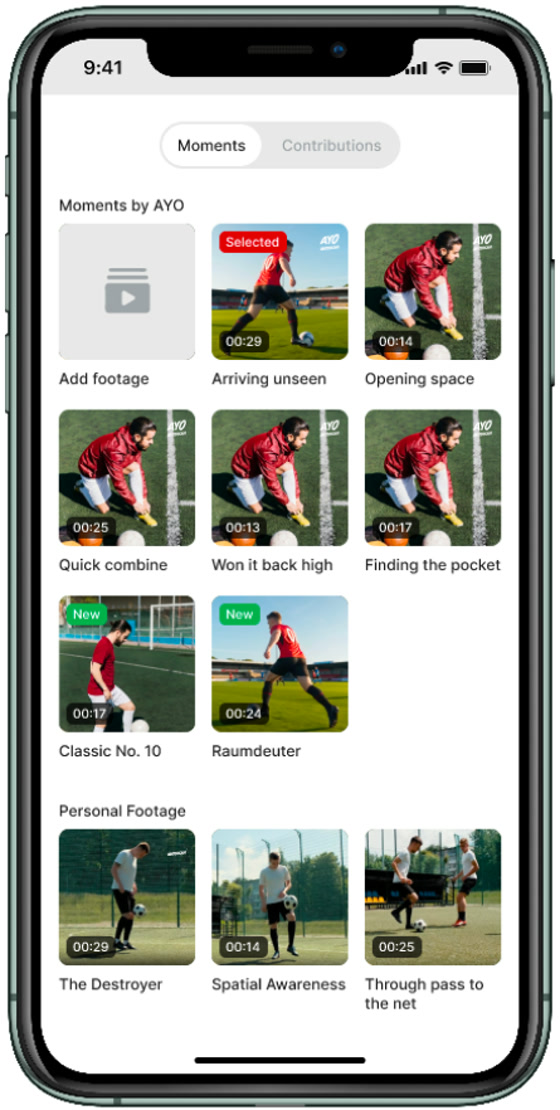 The rest of the session
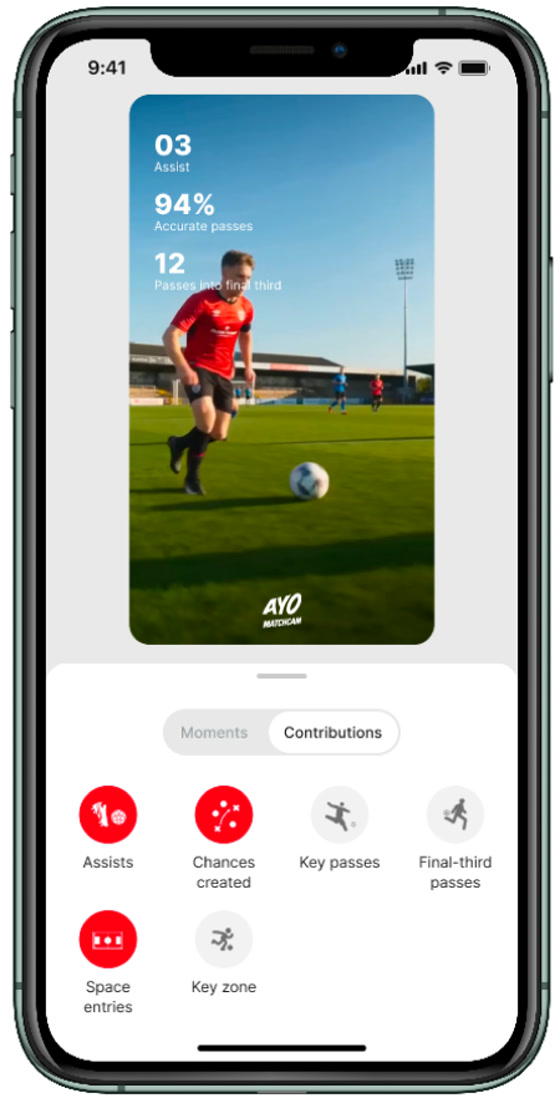 What you contributed
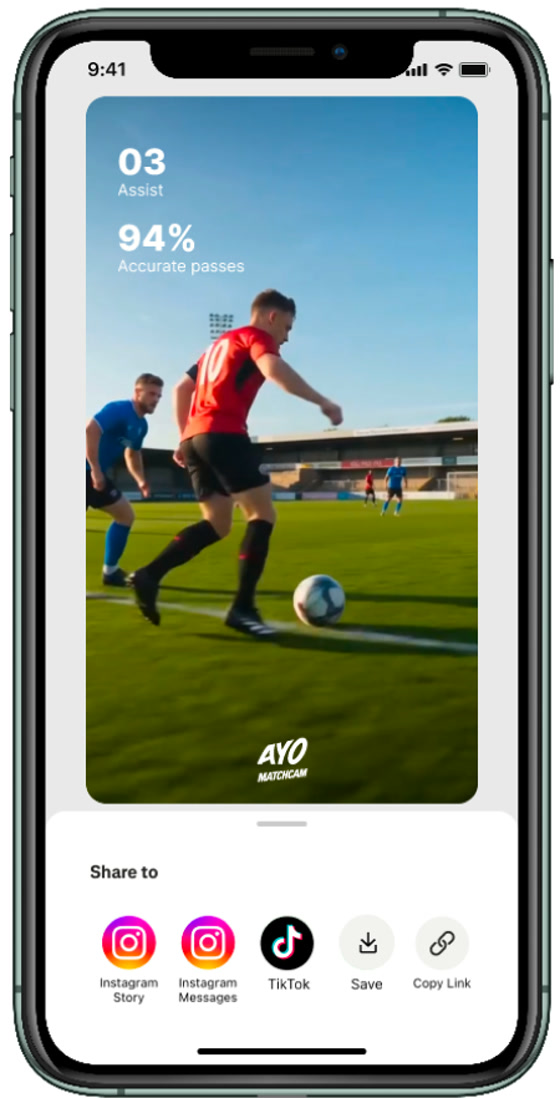 Out to the group
Understanding how footage finds its way back to the player
Automated capture reduces the effort required to record a game, but recording is only one part of the journey.
Looking across common capture behaviours showed different trade-offs around coverage, handoff, timing, and effort. A personal phone gives the player more control but limited coverage. Photographer-led capture can be more curated, but delivery remains separate from the game itself. Automated venue capture can cover much more of the session, which creates a different problem: once all that footage exists, how does the right part of it get back to the right player?
Sports Capture Behaviour
- Coverage
- Quality
- Footage exists
- Handoff today
Own phone
- Random
- Inconsistent
- Immediate
- Chat, AirDrop
Tripod
- Wide, passive
- Medium
- Immediate
- Camera roll
Photographer
- Curated
- High
- Later
- Drive link, DM
Venue camera
- Full match
- Consistent
- During or after
- QR, venue system
Hover a capture source to see what it costs.
The research supports multiple capture patterns in Indonesian amateur sports, including friends, phones or tripods, paid documentation, and automated recording. The evidence around exactly where users experience the most friction is weaker, so I used the artifact to understand the system around capture rather than claim one universal pain point.
Understanding when the player is ready to return to the game
Availability alone does not determine when footage becomes useful.
Immediately after a match, the game may still be emotionally fresh while the player’s attention is elsewhere: recovering, talking with teammates, packing up, or leaving the venue. The Post-match Behaviour Map was used to explore the gap between those two moments.
Post-match Behaviour Map
The game is freshest while the phone is furthest away. Hover a phase to read what the player is doing.
The map led to two working hypotheses:
That changes the waiting problem. Instead of asking only how to keep someone engaged while processing is happening, the more useful question became: when does the player regain attention for the game through their phone?
Processing can therefore continue in the background. Ayo only needs to remain legible while the result is being prepared, then re-enter the player’s attention when there is something useful to return to.
Expanding what a highlight can mean before narrowing the problem
Full-session coverage creates more candidate moments. Before deciding what AI should surface, the definition of a useful moment needed to be broader than scoring events alone.
The Shareable Moment Landscape was used as a design lens for that question.
Shareable Moment Landscape
Outcome
- Basketball3-pointer, game winner, block at the buzzer
- Mini SoccerGoal, penalty save
- TennisAce, passing-shot winner
Contribution
- BasketballAssist, steal, rebound, screen, defensive stop
- Mini SoccerAssist, interception, key save
- TennisA difficult return that creates the next attack
Build-up
- BasketballCreating space, off-ball movement, the pass before the assist
- Mini SoccerThrough pass, creating space, build-up play
- TennisConstructing the point with placement before the winner
Personal
- BasketballLooking good on a drive, a clean move, first basket, a good matchup
- Mini SoccerDribble, nutmeg, skill move
- TennisSmooth serve, impressive recovery
Social and emotional
- BasketballCelebration, funny fail, teammate interaction, group moment
- Mini SoccerTeam celebration, banter, group moment
- TennisReaction after a long rally, celebration
Hover a moment type to see why it is worth revisiting.
Outcome, Contribution, Build-up, Personal, and Social / Emotional moments represent different reasons why part of a game might be worth revisiting. A goal or winning point has obvious game significance. An assist, recovery, movement that creates space, a clean personal play, or a shared reaction can carry a different kind of relevance.
This is not intended as a validated taxonomy of user preferences. The research does not provide a defensible distribution of which moment types players value most.
It also helped separate worth seeing from worth sharing. Public social posts are visible in the research, but private circulation and simply keeping footage also matter, and the research does not establish the split between them.
Three decisions the experience needed to resolve
Putting the three artifacts together narrowed the problem into three product decisions.
More coverage Which moments actually matter?
Full-session capture makes more candidates than anyone will watch, so the product narrows the session instead of replaying it.
More automation What still belongs to the player?
The system detects, clusters and suggests. The player is the one who decides what was personally relevant.
More evidence How far should Ayo read the game?
A visible event supports a moment, surrounding play adds context, and the reading stops where the footage stops.
Principles carried into the design
Those decisions became three rules for how the experience should behave now and as it expands.
Starts on one momentThe rest stays reachableThe player decides what leavesHome carries the resultNotifications do the returningReadable before it is readyA moment, observedContext, countedRecognition, earnedAI narrows choices
AI reduces the number of things the player has to search through. It can detect, prepare, and recommend a starting point, but it should not lock the player into one final interpretation of their game.
Follow player attention
The product should work around the player’s attention instead of requiring the player to follow the system. Processing can continue in the background. Home and notifications can bring the player back when something meaningful is available, while the product can surface useful information earlier if part of the analysis is already ready.
Evidence sets the limit
Interpretation should stay within what the available footage can reasonably support. A visible event can support a Moment. Surrounding play can add Context. Repeated evidence across a session can support broader Recognition.
Deciding where the result belongs in Ayo
Once the result experience was defined, the next question was where it should live within the existing product structure.
RecentAs sessions accumulateRecurring behaviour validatedAyo already has recurring shortcuts on Home for Activities, Venues, and Scores. The current UI also exposes a MatchCam Hub through Dashboard. I drew the line by context rather than by feature: a recent result belongs somewhere different from a permanent destination.
Immediately after a recorded match, the result is tied closely to something the player has just done. At that point, giving it a permanent shortcut is unnecessary. A contextual Home card can surface the recent result, while a notification provides re-entry when the player is outside the app.
As recorded sessions accumulate, the role changes. MatchCam Hub can become the place for intentionally revisiting older matches. If repeated behaviour eventually shows that players treat this as a recurring destination, then its prominence on Home can increase.
The fourth Home shortcut is a future IA hypothesis, not a V1 requirement.
Extending the experience across sports
The same experience should not assume that every sport produces the same meaningful moments.
A Mini Soccer game, a basketball session, and a tennis match have different rhythms, event boundaries, and ways of explaining what happened. What can remain consistent is the product model around them: help the player find moments worth revisiting, then provide a broader story only when the available evidence supports it.
Moments to look
Different sports produce different candidate moments and different ways of visualising them.
Game Story
The type of recognition also changes with the sport. Movement and space may matter in Mini Soccer, possession and positioning may matter differently in basketball, while rally construction and court placement create a different story in tennis.
Mini SoccerBasketballTennisThis section is a design scalability exercise, not a claim that the research established identical user behaviour across those sports. In fact, the research was much stronger for Mini Soccer than for basketball, so I would avoid framing basketball behaviour as validated evidence.
The scalable part is the structure: find the moment, add context when useful, then recognise broader patterns only when they are supported. The events, language, and visual explanation can then adapt to the sport.